
From the Desk of Meg Gemelli: Digital Safety
“You know, if this meeting was about concerning books that somebody found in the library or something like that, this place would probably be packed out. We hear about that issue, and parents should definitely pay attention.
Considering the reach of the internet though–the fact that kids can potentially access ALL of the books and EVERY person in the world–we should be a lot more worried.”
– Ben Tracy
At certain points throughout the evening, Tracy’s words landed with thudding conviction on the hearts of attendees, while at other moments, his retellings of families’ stories brought tears to our eyes. When it came to truth, he cut to the heart of it.
Through just one electronic portal, a young mind can be filled with promises of connection, which are enhanced by triggers, psychologically perfected to keep the brain enthralled and habituated. And that’s a “best case scenario.” At tech’s worst, the lives of children are left in its wake, not only captured by a fantasy world, but taken out of this one way too soon.
Today, as I do my best to discern God’s plans for our SSEL curriculum, it’s painfully clear to me. This won’t be easy.
The MGCS community’s spectrum of family norms, varying levels of felt responsibility for student protection, and differing expectations for technology use are incredibly vast.
I invite you to visualize a middle school student body, in which easily 75% of hands went up when asked, “Who’s already on social media?”
Not to be left out, hands also raised during our lower school session, though 100% of them did not belong to students who are currently over the age of thirteen (a violation on most media platforms). That discovery prompted Mr. Tracy to point out that their account ownership was either birthed out of a lie, or enjoyed thanks to an enabling adult or older teen.
Consider with me the spectrum of liberties we see in just two examples from families here at MGCS, both with students who are in the same grade. On one end of the spectrum, exists the disallowance of a student to choose their own clothing in the morning, due to code-appropriate, but reportedly “unattractive” choices. On the other, is the allowance of a student to sleep with an unlocked device next to their bed.
To bridge philosophy gaps like these is a challenge, and that’s putting it mildly.
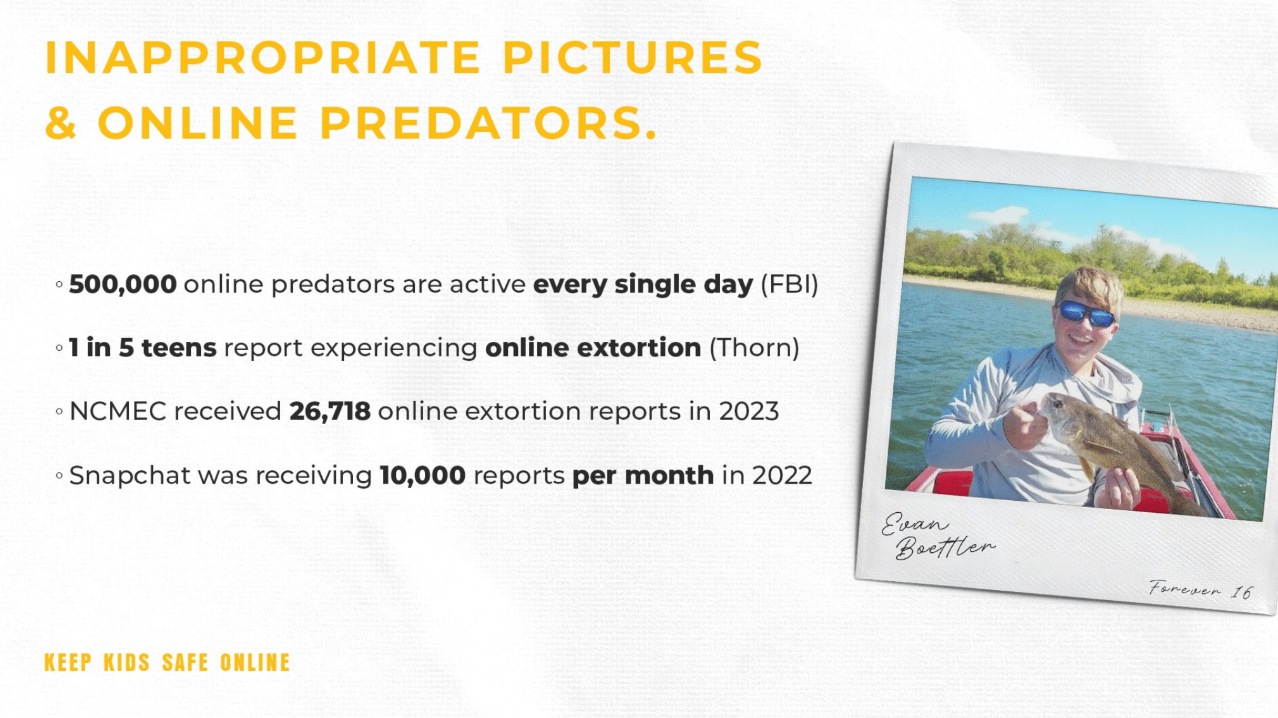
On any given day, there are an estimated half a million child predators working to make contact with a child online, according to the FBI. Roblox, Snapchat, and Insta are some of their favorite platforms thanks to ease.
-
When opening a new social media account (even when a user is identified as a teen by birthdate), the chance is not measured in percents, but rather, it’s factually expected that the minor will be exposed to inappropriately violent and se
xual material within the first few days. This, according to studies and internal memos by social media platforms themselves, as well as, child advocacy groups who’ve tested this phenomenon repeatedly.
I don’t share the facts above to scare or overburden you, and neither did Ben Tracy. Parenting is hard enough as it is! But to avoid these realities, would constitute gross negligence on my part.
I know that you love your kids. Immeasurably so! I also love them and spend hours listening to their stories. Therefore, I’m compelled to ask:
In love, would you dare to say “no” to your son or daughter when they lament, “I’m literally the only one who’s not allowed on Snap!”
What about holding the line when other parents don’t agree with your choices?
These are tough questions, but I’d never pose them without already having gone to battle myself. My own kids are high-schoolers now, and it’s been brutal!
Pain points aside, some of the (very imperfect, but positive) parenting choices my husband and I made happen to align with some of Tracy’s advice. In order of importance, they include:
Teaching them about Jesus.
Spending as much time together as possible.
Going with them into nature, but also, sending them with other trusted guides to beautiful, sometimes risky, places to experience the thrills of summiting mountain tops on their own.
Taking the brunt of their tech tantrums and judgement from fellow parents, and then supporting them when their peers criticized them too.
When we were just entering the tech world with our kids, friends much wiser than we were (and who struggled greatly in this area in their own family), warned us not to make the same mistakes that they had. Thanks to them, and even though a number of my kids’ classmates had phones by the fifth grade, we chose to wait until the end of middle school. As for social media, we waited until even later.
Spoiler: Our kids absolutely HATED this decision at first, so understand that there will be exactly zero trophies handed to you, should you decide to follow suit. In addition, a popular, highly sought after gossip bestie, this parenting technique WILL NOT make (not for your kids, and not for you either). Sorry about that.
Still, I’d do it again, and again, and then AGAIN.
To make the kinds of health and safety changes Ben Tracy proposes, we have to set our sights on countercultural, completely different outcomes.
Example goals:
That every child’s mind will be filled with THEIR memories, not mere recalls of stuff that other people have (maybe) done and posted to a tiny screen, while our own kids sit on the sidelines of life, missing the God-adventures that “could have been.”
That they’ll care about so much more than popularity, because “popular” kids are often the ones who feel pressure to perform, who are overly examined, and who ultimately learn to hide from that pressure behind the false “safety” of a curated image. Instead, we hope that they’ll choose the authentic, God-given identity given to them, because it’s more than enough.
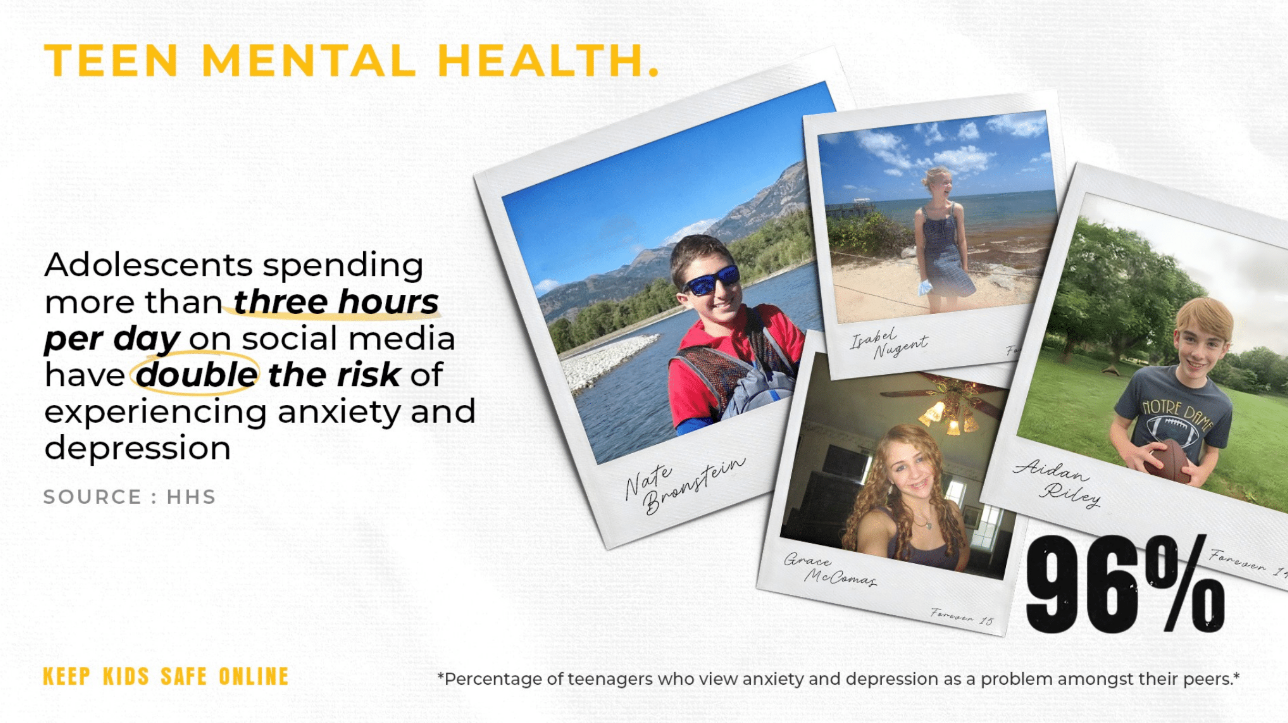
Protection of years of life. The current average of 4+ hours per day that a teen spends online amounts to 15-20 years they can never get back. In addition, the math of influence equation has to actually “math!”
The math of influence equation:
(1-2 hrs. of church + 45 mins in chapel + Bible/prayer time in class) x 36 school weeks < 365 days of accumulated internet influence
And yet, despite this exercise, some will protest, saying, “But we pay for our kids to go to a Christian school. They should love Jesus first, no question!”
I hope they do! But, I also know that they’ll question. And when they do, I wonder whose voices will dominate, satiating their curiosity. Will it be their parents, teachers, and pastors, or Mr. Beast?
As teachers, staff, and administrators, we do our ultimate best with the limited time we’ve been given with your children. The key word is limited, so the math still has to “math” to achieve these shared, ideal outcomes. It’s a numbers game.
In the book of Matthew, we read that the human heart follows our “treasure,” which most of us likely associate with the idea of money. And yet, the older I get, the more I think about the origin of that treasure and investment–the “ground zero” sacrifice that’s required for us to earn the currency we eventually spend to own these treasured “things.”
It’s TIME.
Every trip, laptop, vehicle, or piece of clothing, just a physical manifestation of time.
However it is that your child dreams of spending their time, whether it’s climbing mountains, dancing on the biggest stages, or changing the landscape of politics for the better, I pray they’ll actually get out there and do it!!
I’ll be right here, cheering as loud as ever, and I know the rest of their MGCS family will be too!
I always love to hear from you, so please reach out with any questions or comments that you may have. Mr. Tracy’s resources are also included below.
Have a wonderful Fall Break!
Meg Gemelli